
A cabinet finish changes more than the color of your kitchen. It affects how the room handles fingerprints, scratches, sunlight, cleaning, and the daily traffic of a busy household. When comparing painted versus stained kitchen cabinets, the better choice is not simply the one that looks best in a showroom. It is the one that fits your home’s style, the condition of your cabinetry, and how much maintenance you are comfortable taking on.
For Sacramento homeowners, both options can create a beautiful, long-lasting kitchen. The key is understanding where each finish performs well and where it may ask more from you over time.
Painted Versus Stained Kitchen Cabinets: The Main Difference
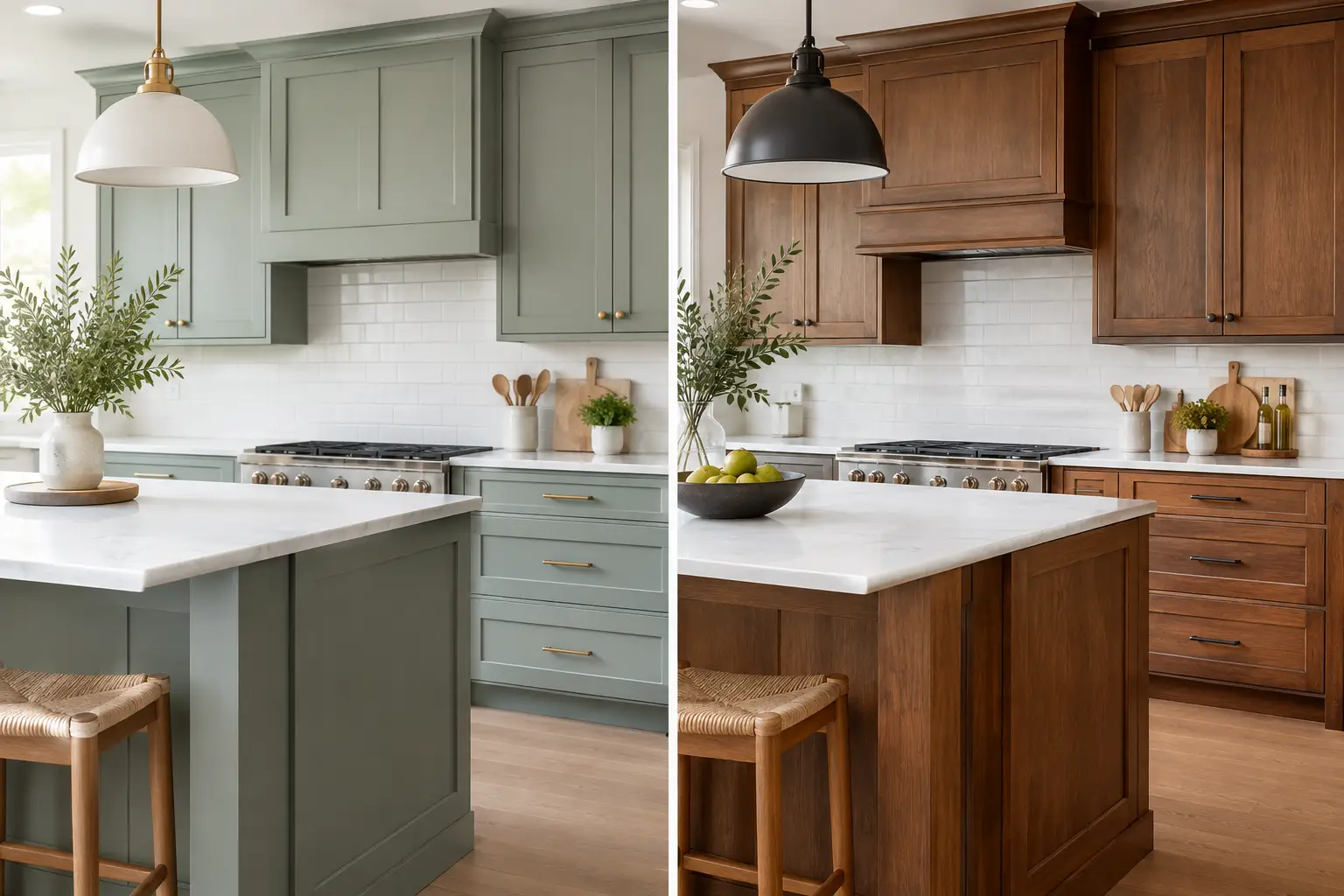
Painted cabinets are coated with an opaque finish that covers the wood grain. White, warm greige, soft green, navy, and charcoal are common choices because paint gives homeowners broad control over the kitchen’s color and overall mood.
Stained cabinets use a translucent finish that lets the natural grain, knots, and character of the wood remain visible. A stain can make maple, oak, cherry, alder, or other wood species look lighter, richer, warmer, or deeper without hiding what makes the material distinct.
That difference has practical consequences. Paint creates a more uniform appearance, while stain accepts variation as part of the finished look. If you want smooth, consistent cabinet fronts and a clean contemporary feel, paint may be the natural direction. If you value visible wood character and a warmer, more traditional foundation, stain may make more sense.
When Painted Cabinets Are the Better Fit
Painted cabinetry works especially well when the goal is to brighten a kitchen or make it feel more current. Lighter painted finishes reflect more light, which can help a smaller or darker kitchen feel more open. They also pair easily with many countertop materials, backsplash styles, and hardware finishes.
Paint is a practical choice when existing cabinet boxes are sound but their color feels dated. A carefully prepared and professionally applied cabinet paint finish can give a kitchen a major visual update without changing the entire layout. It is also useful when cabinet doors are made from wood species with uneven grain or when homeowners want a uniform color across different components.
There is a trade-off. Painted finishes can show wear at high-contact areas, particularly around pulls, knobs, drawer edges, and lower cabinet corners. White and very light colors can also make cooking splatters and fingerprints more noticeable. That does not mean painted cabinets are difficult to live with, but they benefit from regular gentle cleaning and prompt attention to grease or moisture.
Paint quality matters more than most homeowners expect
Not all painted cabinets age the same way. Surface preparation, cleaning, sanding, primer selection, finish product, drying time, and application method all affect the result. A finish may look good on day one but chip early if the surface was not properly prepared or if the coating was not allowed to cure correctly.
Cabinet construction matters, too. Doors with large flat panels can show minor movement in the wood over time, and seams in certain door styles may eventually become visible through paint. An experienced remodeling contractor can help set realistic expectations before work begins instead of promising a finish that cannot perform as expected in a working kitchen.
When Stained Cabinets Make More Sense
Stained cabinets bring natural warmth that paint cannot fully duplicate. They are often a strong fit for homeowners who prefer a timeless look, want to highlight real wood, or are designing a kitchen with warm flooring, natural stone, or earth-tone finishes.
Stain can also be more forgiving in an active household. Small dings and scratches often blend into the grain better than they would on a solid painted surface. On many wood cabinets, a minor damaged area can be touched up more discreetly than paint, although the result still depends on the wood species, stain color, and age of the existing finish.
Medium and darker stains are particularly good at hiding everyday smudges. They can be a sensible choice for homes with children, frequent cooks, or pets moving through the kitchen. However, very dark stains may show dust and can make a kitchen feel heavier if the room has limited natural light.
Wood species affects the final appearance
Stain does not look identical on every type of wood. Oak has a pronounced grain, maple tends to look smoother and more subtle, and alder may take stain differently from door to door. This natural variation is part of the appeal, but it can surprise homeowners who expect every cabinet to match perfectly.
If your current cabinets are painted, changing them to stain is generally more complicated than it sounds. Removing paint completely enough to achieve an even stained result is labor-intensive, and some areas may still absorb stain differently. In many cases, replacement doors or new cabinetry provide a more predictable result when the goal is a true stained-wood finish.
Cost, Maintenance, and Long-Term Repairs
The cost of painted versus stained kitchen cabinets depends on whether you are refinishing existing cabinets, installing new ones, or replacing only doors and drawer fronts. Paint often involves more preparation because the surface must be smooth and free of flaws before an opaque finish goes on. Stain may require less filling and smoothing, but it can involve careful color matching and finishing work.
For new cabinets, the price difference can be driven by the door material as much as the finish. A painted engineered-wood door and a stained solid-wood door are not direct equals. Reviewing samples, door construction, and finish options together is more useful than comparing one broad price category with another.
Maintenance is straightforward for either finish: use a soft cloth, mild soap if needed, and avoid harsh abrasive cleaners. Wipe up grease, water, and food spills quickly. Do not use scouring pads or strong chemical products that can dull or damage the protective coating.
Painted cabinets may need occasional touch-ups where chips occur. Stained cabinets can fade over years of strong sun exposure and may need refinishing if the clear protective coat wears down. Neither option is maintenance-free, but both can last well when properly installed and cared for.
Consider the Rest of Your Kitchen
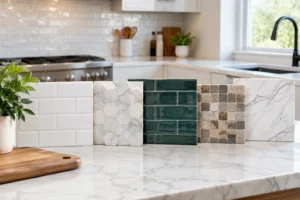
Cabinet color should work with the full room, not compete with it. Painted cabinets are often easier to coordinate with bold backsplashes, patterned counters, or mixed-metal hardware because they provide a simple visual base. Stained cabinets can become the main source of texture and warmth, so countertops and backsplash choices may need to stay more restrained.
Also consider your home as a whole. An ultra-bright white kitchen can look excellent in a newer, open-concept home, while a natural stained finish may feel more connected to a traditional house or a space with existing wood trim. There is no rule that says one style is more valuable than the other. A well-built, well-planned kitchen with finishes that suit the home generally holds up better than a trend-driven choice that feels out of place.
How to Make the Right Choice for Your Home
Start by looking honestly at your existing cabinets. If the boxes, doors, and drawer fronts are in good shape, refinishing may be a smart way to update the room. If they are worn, poorly functioning, water-damaged, or no longer meet your storage needs, a larger kitchen remodel may provide better long-term value.
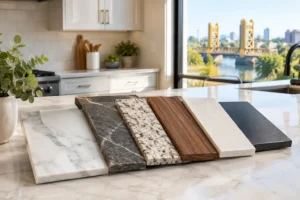
Then think about daily life. Choose paint if you want a specific color, a brighter feel, and a smooth, uniform appearance. Choose stain if you want visible wood character, a warmer look, and a finish that may disguise small everyday marks more easily. If you are torn, sample boards are worth the time. View them in your actual kitchen during the morning, afternoon, and evening before making a final decision.
A clear scope, realistic finish expectations, and careful workmanship matter as much as the color itself. DL Remodeling helps Sacramento-area homeowners plan kitchen updates around their budget, schedule, and the way their families use the space. The right cabinet finish should make your kitchen easier to enjoy every day, not give you another surface to worry about.