
A beautiful floor can lose its appeal quickly if it scratches under dining chairs, swells near the dishwasher, or shows every bit of dust after a busy week. For Sacramento homeowners, learning how to choose durable flooring means looking beyond a showroom sample and considering how each room is actually used.
The right choice should fit your household, your maintenance preferences, and your renovation budget. A family with children and dogs may need something very different from a homeowner updating a quiet guest room. The goal is not to choose the toughest material on paper. It is to choose flooring that will hold up well in your home while still looking and feeling right.
Start With the Room, Not the Material
Durability changes from room to room. Before comparing products, think about foot traffic, moisture, direct sunlight, and the type of wear each space receives.
Entryways, hallways, kitchens, and living rooms often carry the most daily traffic. These areas need flooring that resists scratching, dents, and scuffs from shoes, furniture, and everyday activity. Bathrooms, laundry rooms, and kitchens also need strong moisture resistance. A material that works well in a dry bedroom may not be a practical choice near a bathtub or washing machine.
Sacramento homes can also receive plenty of bright sunlight. If a room has large windows or doors that open to the backyard, ask how the flooring handles fading and heat exposure. Window coverings can help, but it is still wise to select a product designed for the conditions in that room.
Consider Your Household’s Real-Life Wear
Flooring should support your routine, not make you worry about it. Be honest about what happens in your home on a normal week: pets running through the house, kids dropping toys, guests coming in from the yard, and chairs moving across the floor.
Hardwood has a warm, timeless appearance and can last for many years, but it can scratch and dent depending on the wood species and finish. Harder species, such as oak or hickory, generally stand up better to daily use than softer woods. Hardwood can be refinished in many cases, which is a meaningful long-term advantage, but it is not the easiest option for moisture-prone rooms.
Luxury vinyl plank and luxury vinyl tile are popular choices for active households because they are water-resistant or waterproof, comfortable underfoot, and available in many wood- and stone-look styles. Product quality matters. Thicker flooring and a stronger wear layer generally provide better resistance to scratches and surface wear.
Porcelain tile is one of the most durable choices for wet areas and high-traffic spaces. It resists water, scratches, and stains well, making it a practical fit for bathrooms, kitchens, laundry rooms, and entryways. The trade-off is that tile can feel hard and cool underfoot, and installation requires careful preparation for a level, lasting result.
Laminate flooring can offer a cost-conscious wood-look option with good scratch resistance, especially in bedrooms and living spaces. However, not all laminate handles moisture equally. If you are considering it for a kitchen or other area where spills are common, choose a product specifically rated for water resistance and follow the installation requirements closely.
How to Choose Durable Flooring by Material Quality
Two floors can look nearly identical in a showroom but perform very differently over time. The construction details matter as much as the style.
For vinyl flooring, ask about the wear layer. This is the clear protective surface that helps defend against scratches, stains, and scuffs. A thicker wear layer is usually the better choice for busy rooms and homes with pets. Also ask whether the product is waterproof throughout or simply water-resistant at the surface.
For hardwood, consider the wood species, plank construction, and finish. Engineered hardwood is built in layers and can be more stable than solid hardwood when indoor humidity changes. It can be a good option for many main living areas, though it still needs protection from standing water. Solid hardwood offers the ability to refinish the floor more times over its life, but it may not be suitable for every location.
For tile, look at the tile rating, slip resistance, and grout plan. Porcelain is typically denser and less absorbent than ceramic tile, which makes it a strong choice where water is a concern. Grout can collect dirt or discolor over time, so selecting an appropriate grout color and sealing it when recommended can make upkeep easier.
Do not assume a higher price automatically means better durability. Instead, compare the specifications, warranty, installation method, and recommended use for each product. A floor should be rated for the room where it will be installed.
Do Not Overlook Maintenance
Every durable floor still needs reasonable care. The best option is often the one your household will realistically maintain.
Hardwood needs prompt spill cleanup, furniture pads, and regular sweeping to keep grit from damaging the finish. It may need refinishing after years of use. Tile is simple to sweep and mop, but grout requires occasional attention. Vinyl is generally low maintenance, although harsh cleaners and abrasive tools can damage its surface. Laminate should not be soaked with water, even if it has moisture-resistant features.
If you want the lowest-maintenance option for a busy kitchen or family room, quality vinyl or porcelain tile may be a better fit than natural wood. If you value the character and repair potential of hardwood, it may be worth the extra care in the right rooms. There is no single answer for every household.
Installation Is Part of Flooring Durability
Even a high-quality product can fail early when it is installed over an uneven, damp, or poorly prepared subfloor. Squeaks, shifting planks, cracked tile, gaps, and moisture damage often point back to preparation or installation issues rather than the floor covering alone.
A professional installer should assess the subfloor condition, check for moisture concerns, and use the materials and methods required by the flooring manufacturer. This is especially important when installing tile, hardwood, and engineered products. Proper transitions at doorways, expansion space around walls, and clean finishing details all affect how the floor performs and looks over time.
Flooring work can also connect to other remodeling needs. Removing old flooring may reveal subfloor damage, require baseboard work, or affect cabinet and appliance clearances. Planning those details before installation helps avoid surprises once the project is underway.
Balance Budget With Long-Term Value
The least expensive flooring option is not always the most affordable over the life of the home. Consider the full cost, including removal of old flooring, subfloor repairs, underlayment, installation, trim, and future maintenance.
A lower-cost material may make sense in a guest room, rental property, or short-term refresh. In heavily used areas, paying for a better wear layer, more moisture protection, or professional installation can prevent the need for an early replacement. It is often better to choose a dependable mid-range product installed correctly than a premium material that stretches the budget too far.
When comparing estimates, make sure you understand what is included. Clear communication about materials, preparation, installation, and cleanup helps keep the project on budget and reduces last-minute decisions.
Make a Choice You Can Live With
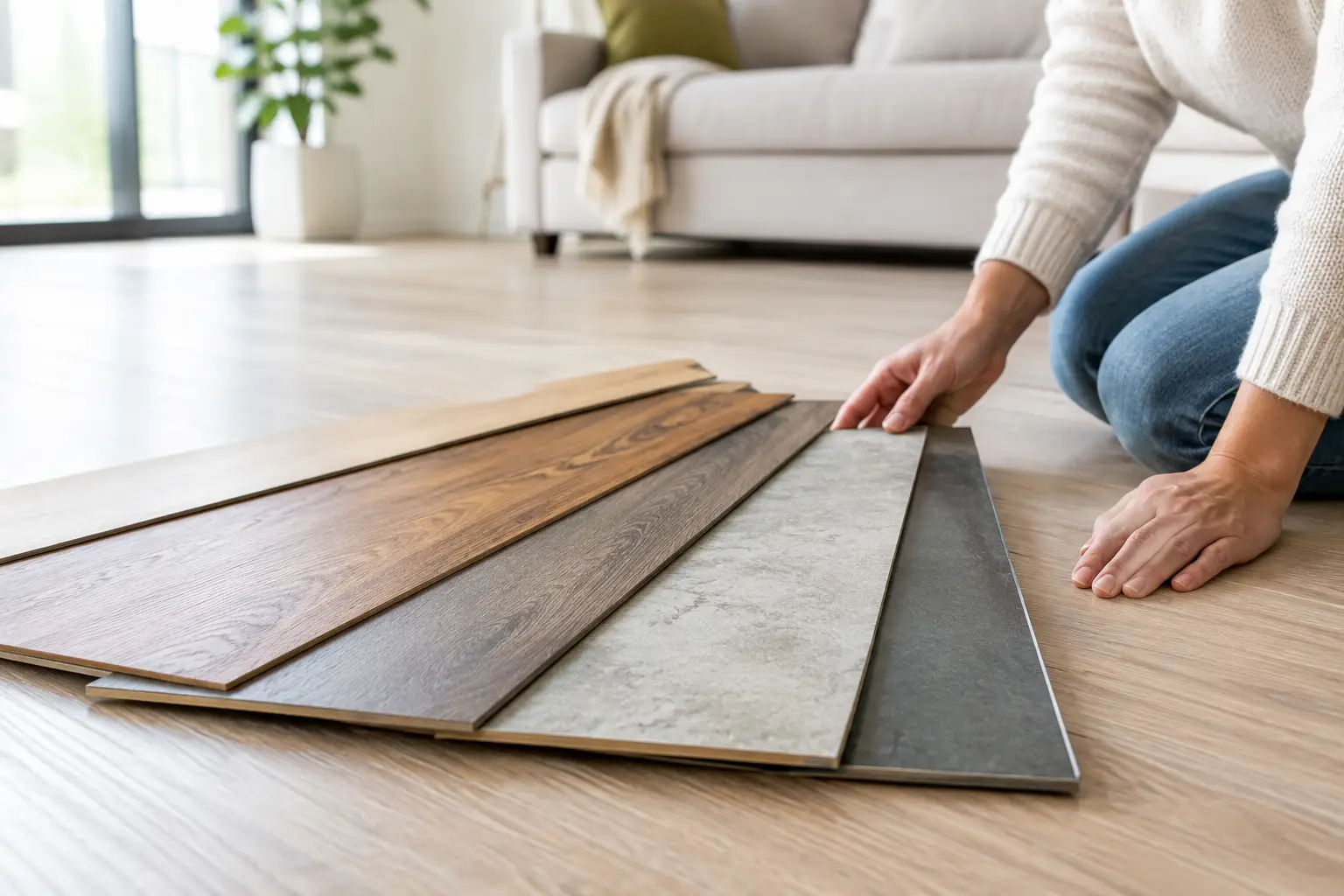
Before making a final selection, bring samples home and view them in morning, afternoon, and evening light. Place them near cabinets, wall colors, and existing furniture. Walk on them if possible. A floor needs to work visually, but it also needs to feel practical under daily use.
For homeowners planning a flooring update as part of a larger renovation, DL Remodeling can help evaluate the room, coordinate connected work, and install flooring with clean workmanship and careful attention to the details that support lasting results. The best floor is one that lets your household live comfortably without turning every spill, scratch, or muddy shoe into a concern.