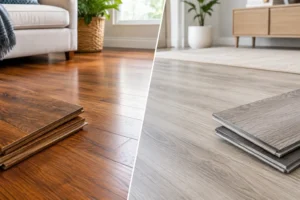


A new floor changes more than the look of a room. It affects how your home handles busy mornings, pets, spills, temperature changes, and everyday cleaning. For flooring installation Sacramento homeowners can feel confident about, the best results begin well before the first plank, tile, or sheet is installed. They begin with an honest look at the room, the condition of the subfloor, and how your family uses the space.
A floor can look great in a showroom and still be the wrong choice for a particular home. Sacramento homes range from older properties with uneven areas beneath existing flooring to newer homes with large open layouts that need a consistent finish from room to room. Planning for those details helps prevent delays, extra costs, and disappointing results after the work is complete.
Flooring Installation in Sacramento Starts With Your Home
Before choosing a material, consider what is underneath the current floor. The subfloor must be clean, dry, sound, and level enough for the product being installed. Even small dips, high spots, moisture concerns, or loose areas can affect the finished floor.
This matters especially with rigid materials. Tile can crack if the surface below it moves. Luxury vinyl plank may show unevenness over time. Hardwood can develop gaps or movement when moisture and expansion are not properly addressed. Carpet may hide minor imperfections better, but it still needs a stable base and correctly installed padding.
A professional site visit gives homeowners a chance to identify these conditions before the project starts. It also allows the contractor to measure accurately, review transitions between rooms, and account for door clearances, baseboards, appliances, and stairs. These are the practical details that determine whether a finished floor feels like part of the home or like a rushed surface laid over it.
Choose Flooring for the Way You Live
The right flooring is not always the most expensive option. It is the material that fits the room, your maintenance preferences, your budget, and the demands of your household.
Luxury vinyl plank and luxury vinyl tile are popular choices for active homes because they offer water resistance, a wide range of looks, and straightforward maintenance. They work well in many living areas, kitchens, hallways, and bedrooms. Product quality varies, though, so the wear layer, locking system, and manufacturer requirements should be considered rather than choosing by color alone.
Laminate flooring can provide the appearance of wood at a budget-friendly price. Modern options are more durable than older laminate products, but water exposure is still a key consideration. A kitchen or entryway with frequent spills may need a water-resistant product or a different material altogether.
Hardwood adds warmth and can be refinished in many cases, making it a long-term investment for the right home. It is not the easiest choice for every area, however. Moisture, pet activity, and frequent spills can require more care than homeowners expect. Engineered hardwood may offer more stability in certain conditions while preserving a natural wood surface.
Tile remains a practical choice for bathrooms, laundry rooms, entryways, and kitchens where water resistance is a priority. It is durable and easy to clean, but installation requires careful preparation and skilled layout work. Tile is also firmer and cooler underfoot than other materials, which may be a trade-off for some families.
Carpet still has a place in bedrooms, upstairs spaces, and areas where comfort and sound control matter. The carpet itself is only part of the decision. Padding affects comfort, performance, and how well the carpet wears over time.
Plan the Scope Before Work Begins
Flooring projects often connect to other parts of the home. Replacing floors may reveal a need for drywall repair after old baseboards are removed. A new floor height can affect trim, door jambs, transitions, and cabinetry. If you are updating a kitchen or bathroom, it may make sense to coordinate flooring with cabinets, countertops, paint, or plumbing work instead of completing each item separately.
This does not mean every flooring job needs to become a full remodel. A focused project can be the right decision when the rest of the room is in good condition. The key is knowing which related items should be addressed now and which can wait. Clear planning keeps the project from growing unexpectedly once work is underway.
During an estimate, ask what is included in the scope. Homeowners should understand whether removal and disposal of existing flooring are included, how subfloor repairs are handled, who moves furniture or appliances, and whether baseboard installation or painting is part of the work. There may be legitimate unknowns in an older home, but those possibilities should be discussed plainly before the project begins.
Prepare the Room for a Cleaner Installation
A flooring installation creates activity in the home, even when the project is limited to one or two rooms. Good preparation helps protect your belongings and keeps the work moving on schedule.
Clear smaller items, wall decor, and breakables from the work area before the crew arrives. Decide in advance where furniture will go and make sure there is a clear path from the entrance to the room. If flooring is being installed across several connected spaces, think about how your family will access bedrooms, bathrooms, or the kitchen while the work is in progress.
Dust control and cleanup should also be part of the conversation. Removing old flooring and making subfloor corrections can create dust and debris. A careful contractor will take reasonable steps to protect adjacent areas, maintain an organized jobsite, and clean up work materials as the project progresses.
Pets and young children need special planning. Keep them safely away from the work zone, tools, adhesives, and open doorways. If a household member works from home, let the contractor know ahead of time so the schedule and expected noise can be discussed realistically.
What a Professional Installation Should Include
Quality installation is not simply putting a new surface over an old one. It follows the product requirements and addresses the conditions of the home. Depending on the flooring selected, that may include moisture testing, underlayment, crack isolation, proper fasteners, expansion gaps, adhesive selection, and acclimating materials before installation.
Layout is equally important. With plank flooring, the direction of the boards can change how narrow or open a room feels. With tile, the installer should plan cuts so small, awkward pieces are not placed in highly visible areas whenever possible. In open-concept spaces, a consistent layout and thoughtful transitions help the finished home feel connected.
Finish details matter at the end of the project. Baseboards, quarter round when appropriate, threshold pieces, and clean transitions should be installed with care. Doors may need adjustment if the new floor changes the finished height. These are small items, but they are often what homeowners notice every day.
Budget for Value, Not Just the Material Price
The lowest material price can be tempting, especially when a project covers a large area. But flooring costs involve more than the visible product. Removal, disposal, subfloor preparation, underlayment, trim, transitions, labor, and potential repairs all affect the final budget.
A clear estimate helps you compare options fairly. For example, a less expensive plank may require more replacement over time in a busy household, while a stronger product can be worth the difference. On the other hand, paying for a premium material in a low-traffic guest room may not provide the same practical return.
Set aside a reasonable contingency for conditions that cannot be confirmed until old flooring is removed, particularly in older Sacramento homes. The goal is not to expect problems. It is to avoid being caught off guard if hidden damage, uneven areas, or moisture concerns are found.
Work With a Contractor Who Coordinates the Details
Flooring is one of the most visible improvements you can make, and it should not feel like a confusing construction project. A local, licensed contractor can help you make practical material choices, identify preparation needs, and coordinate related repairs or remodeling work under one plan.
DL Remodeling works with Sacramento homeowners who want clear communication, clean workmanship, and a project completed within the agreed scope and schedule. Whether you are replacing flooring in a single room or updating several areas as part of a larger renovation, a detailed consultation makes it easier to move forward with confidence.
Before requesting an estimate, take a few photos of the existing floors, note the rooms you want to update, and think about how those spaces are used each day. Those simple details give your contractor a stronger starting point and help turn a flooring idea into a home improvement decision that will serve your family well.